
- Understanding Halal Certification in Japan
- Key Concerns for Muslim Diners
- Halal-Friendly Restaurant Types
- Seafood Restaurants (海鮮 / Kaisen)
- Certified Halal Restaurants by City
- Indian and Pakistani Restaurants
- Convenience Store Options
- Useful Apps for Finding Halal Food
- Useful Japanese Phrases
- Useful Japanese Phrases for Muslim Diners
- Prayer Room Locations
- FAQ
- Related Guides
Finding halal food in Japan has become much easier in recent years. With over 1 million Muslim visitors annually from Southeast Asia, the Middle East, and beyond, major Japanese cities now have a growing number of certified halal restaurants. Many traditional Japanese dishes are also naturally halal-friendly with small adjustments.
Understanding Halal Certification in Japan
Japan does not have a single national halal certification body. Multiple organizations certify restaurants, including the Japan Muslim Association, Japan Halal Association, and JAKIM-recognized bodies. Look for a halal certificate displayed near the restaurant entrance or at the cashier. Some restaurants use the terms Muslim-friendly (ムスリムフレンドリー) rather than strictly halal — this means they make efforts to accommodate but may not be fully certified.
Key Concerns for Muslim Diners
Mirin (みりん): A sweet rice wine used in many Japanese sauces, including teriyaki and some soy sauce-based dressings. Always ask: Mirin tsukatte imasu ka? (みりん使っていますか?/ Do you use mirin?)
Sake (酒): Rice wine used in marinades and simmered dishes. Not always obvious from the menu.
Soy sauce: Standard Japanese soy sauce (醤油 / shoyu) is brewed from soybeans, wheat, salt, and water. The fermentation produces trace alcohol (typically under 2%). Most Islamic scholars consider it halal, but if concerned, ask for tamari (たまり), which has negligible alcohol content.
Dashi stock (出汁): The base for most Japanese soups and sauces. Usually made from bonito (dried fish flakes), which is generally considered halal. However, some dashi may include sake or mirin.
Halal-Friendly Restaurant Types
Seafood Restaurants (海鮮 / Kaisen)
Sushi (寿司), sashimi (刺身), and grilled fish are naturally halal — the main ingredients are simply fish, rice, and wasabi. Kaiten-zushi (回転寿司 / conveyor belt sushi) is your safest and most affordable bet at 1,000-2,500 yen per person. Avoid rolls with mirin-based sauces. Budget: 1,000-3,000 yen.
Certified Halal Restaurants by City
Tokyo (most options):
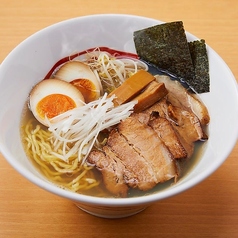
Naritaya (成田屋) in Asakusa — Certified halal ramen and gyoza. One of the most popular halal restaurants among tourists. Budget: 900-1,200 yen.
Gyumon (牛門) in Shinjuku — Halal-certified yakiniku (Japanese BBQ) with wagyu beef. Budget: 4,000-8,000 yen.
Sekai Cafe in Asakusa — Halal-certified casual dining with both Japanese and Western options. Vegetarian-friendly too.
Best areas in Tokyo: Shinjuku, Asakusa, Akihabara have the highest concentration of halal options.
Osaka:
Several Turkish and Indian restaurants near Namba and Shin-Imamiya stations. Some Matsuya (松屋) gyudon chain locations are halal-certified. The Namba area has the most options overall. See our Osaka Food Guide for the area.
Kyoto:
Options near Kyoto Station and around Gion. Some traditional restaurants offer halal kaiseki (multi-course meal) with advance reservation — usually 3+ days notice required. Budget: 5,000-8,000 yen for kaiseki. See our Kyoto Food Guide.
Indian and Pakistani Restaurants
Found in every major Japanese city. Most serve halal meat and clearly label it on the menu. These are the most reliably halal option across Japan. Lunch sets are excellent value at 800-1,200 yen (naan + curry + salad + drink). No reservation needed.
Convenience Store Options
Limited but improving. Safe picks: Onigiri with fish or vegetable fillings (check label for pork-based seasonings marked as 豚), fresh fruits, salads without ham (ハム) or bacon (ベーコン), plain bread, and inari sushi. Avoid: Most bento boxes (often contain pork-based seasonings or mirin), fried chicken (cooking oil may be shared with pork products), and gelatin-based desserts (ゼラチン / zerachin).
At major train stations in Tokyo, some shops now sell clearly labeled halal bento — look for the green halal mark on the packaging.
Useful Apps for Finding Halal Food
Halal Gourmet Japan: The most comprehensive halal restaurant finder for Japan. Over 800 restaurants listed across the country. Available in English, Arabic, and Malay.
Halal Navi: Community-reviewed halal spots with user ratings and photos.
Muslim Friendly Japan: Government-supported guide that also shows prayer room locations (礼拝室 / reibaishitsu) at airports, stations, and shopping centers.
Useful Japanese Phrases
Hararu desu ka? (ハラールですか?) = Is this halal?
Butaniku wa haitte imasu ka? (豚肉は入っていますか?) = Does this contain pork?
Arukoru wa tsukatte imasu ka? (アルコールは使っていますか?) = Do you use alcohol (in cooking)?
Mirin nashi de onegaishimasu (みりんなしでお願いします) = Without mirin please
Useful Japanese Phrases for Muslim Diners
Hararu desu ka? (ハラールですか?) = Is this halal?
Butaniku wa haitte imasu ka? (豚肉は入っていますか?) = Does this contain pork?
Arukoru wa tsukatte imasu ka? (アルコールは使っていますか?) = Do you use alcohol in cooking?
Mirin nashi de onegaishimasu (みりんなしでお願いします) = Without mirin please
Gyuniku dake de onegaishimasu (牛肉だけでお願いします) = Beef only please
Prayer Room Locations
Finding prayer rooms (礼拝室 / reibaishitsu) is getting easier:
Airports: Narita (Terminal 1 and 2), Haneda (International Terminal), Kansai, Chubu — all have dedicated prayer rooms with qibla direction marked.
Major stations: Tokyo Station (Yaesu side), Shin-Osaka Station, Kyoto Station — prayer spaces available.
Shopping areas: Don Quijote (some locations), Aeon Mall, and tourist information centers in major areas often have multi-faith prayer rooms.
The Muslim Friendly Japan app maps all prayer room locations nationwide.
FAQ
Related Guides
Vegetarian and Vegan Food in Japan