
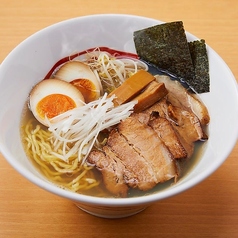
Shinjuku is one of Tokyo’s biggest ramen battlegrounds. From rich tonkotsu to light shio bowls, every style is covered here. Budget: 800-1,200 yen per bowl.
Tips for Ordering Ramen in Japan
Ticket machines: Most ramen shops use vending machines at the entrance. Insert money, press the button with a photo, and hand the ticket to staff.
Slurping is encouraged: It cools the noodles and shows enjoyment.
Extra noodles: Ask for kaedama (about 100-150 yen) when you finish your noodles but still have broth.
Avoid peak hours: Visit before 11:30 or after 14:00 to skip long lines.
Cash preferred: Bring 1,000-2,000 yen in cash.
Ramen Style Guide
Tonkotsu: Creamy white pork bone broth. Rich and heavy. Best for cold days.
Shoyu: Soy sauce-based clear broth. The classic Tokyo style. Best for first-timers.
Shio: Light salt-based broth. Delicate flavor. Best for lighter appetites.
Miso: Originated in Hokkaido. Hearty and savory. Best for winter.
Tsukemen: Cold noodles dipped in concentrated broth. Best in summer.
Budget Picks (Under 1,000 yen)
Fuunji near the south exit serves exceptional tsukemen for around 900 yen. For tonkotsu fans, Ichiran in Kabukicho offers individual booth seating, perfect for solo diners.
Mid-Range Favorites (1,000-1,500 yen)
Try Menya Musashi near the west exit for rich double-soup ramen. Ramen Nagi in Golden Gai is famous for its thick niboshi (dried sardine) broth and stays open late.
Practical Information
Allergies: Most ramen contains wheat, soy, pork, and sometimes shellfish. Halal and vegetarian ramen exists but is rare in Shinjuku.
Seating: Counter seats are standard. Groups of 4+ may need to split up.
Water: Free self-service water at every shop.
Station: Shinjuku Station (JR, Metro, Odakyu, Keio) – East Exit for Kabukicho, South Exit for Fuunji.
Useful Guides
How to Order at a Japanese Restaurant — ordering systems, phrases, and payment.